Bahía Blanca - Museo De La Aviacion Naval
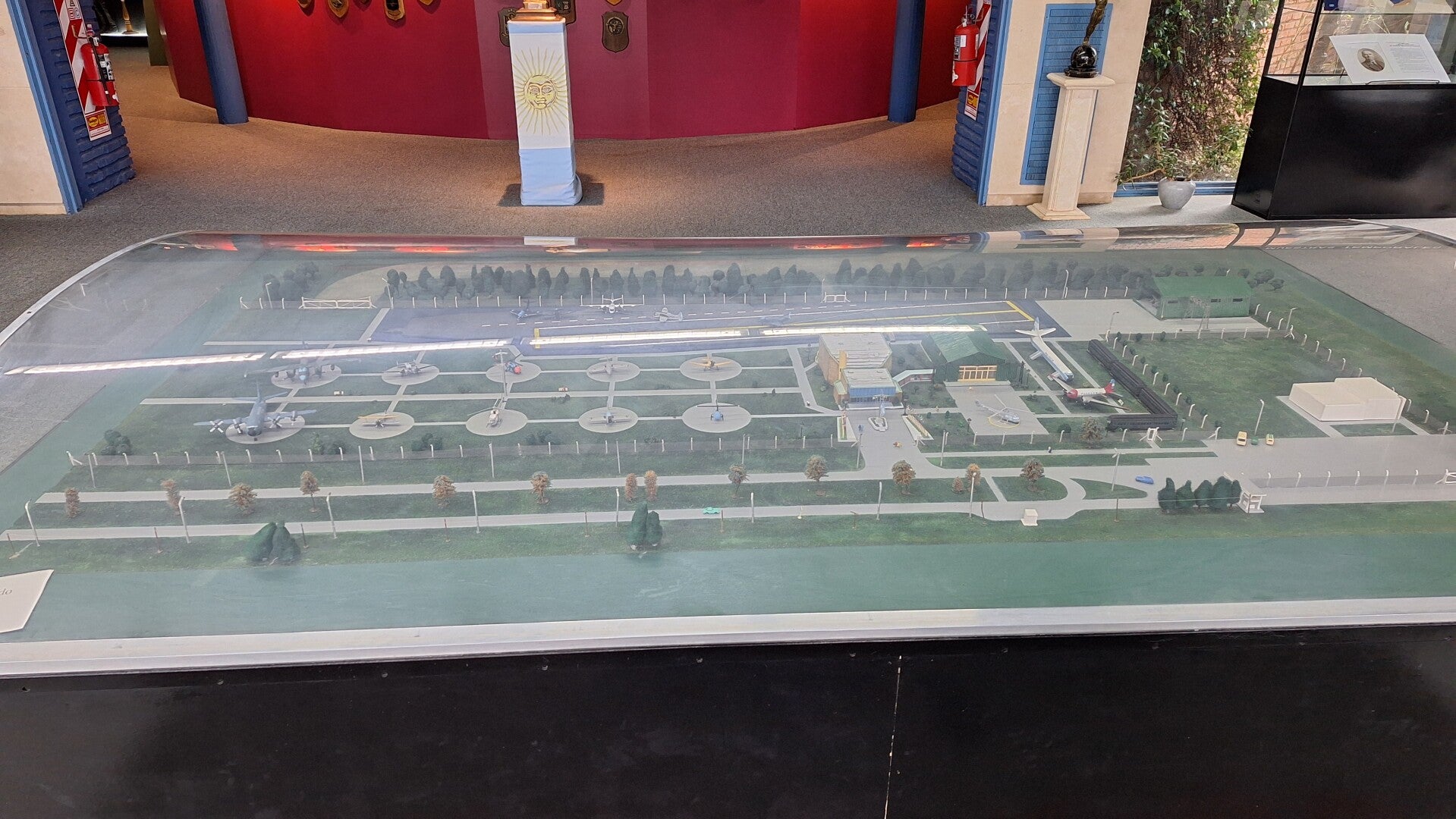
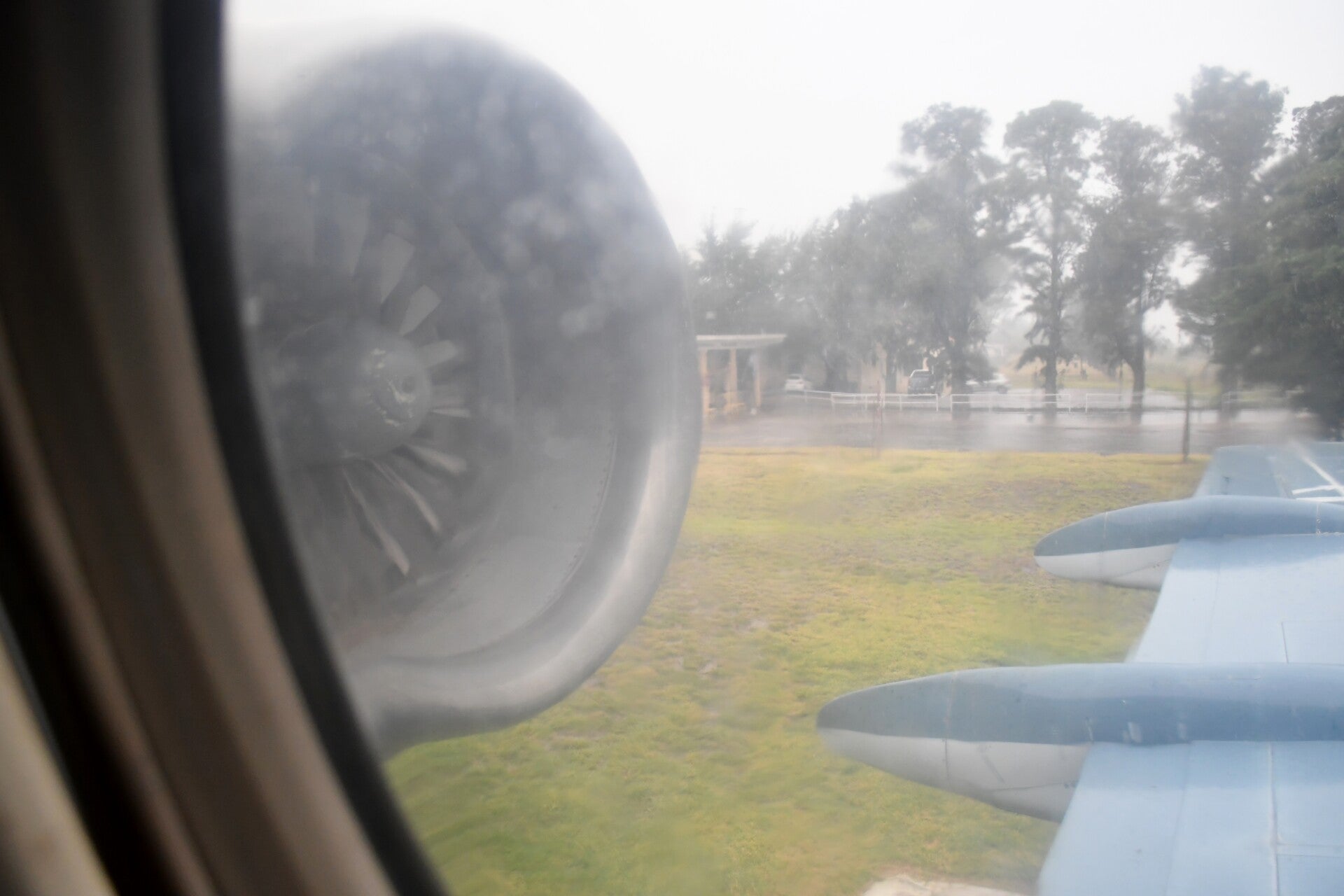
The Museo de la Aviación Naval is one of South America’s most fascinating aviation museums, especially if you enjoy naval aircraft. Located at the entrance of the Comandante Espora Naval Air Base near the city of Bahía Blanca, the museum preserves the long history of Argentine naval aviation, which dates back to 1916. Established during the late 1980s and later moved to its current location in the 1990s, the museum now occupies several hectares filled with aircraft, historical artifacts, and even a life-size reconstruction of an aircraft carrier flight deck. We visited this museum in 2024 with unfortunately very bad weather.
What makes the museum especially appealing for aviation travelers is the mix of outdoor aircraft displays and indoor historical exhibits. The open-air aircraft park, named after naval aviator Melchor Escola, contains numerous restored aircraft ranging from trainers and helicopters to maritime patrol and combat aircraft. Visitors can walk right up to many of these machines, making it a bit like stepping into a giant aviation playground.
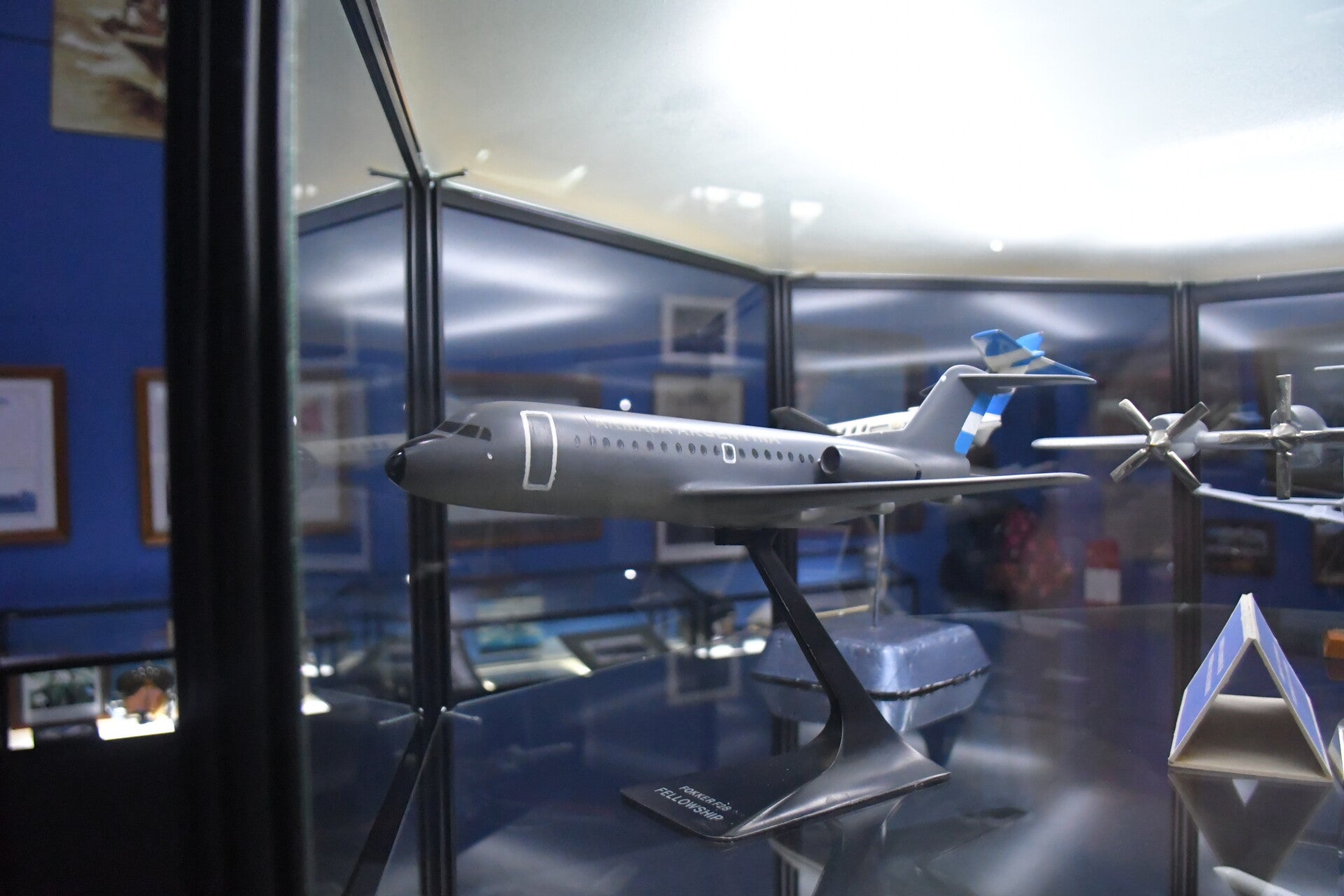
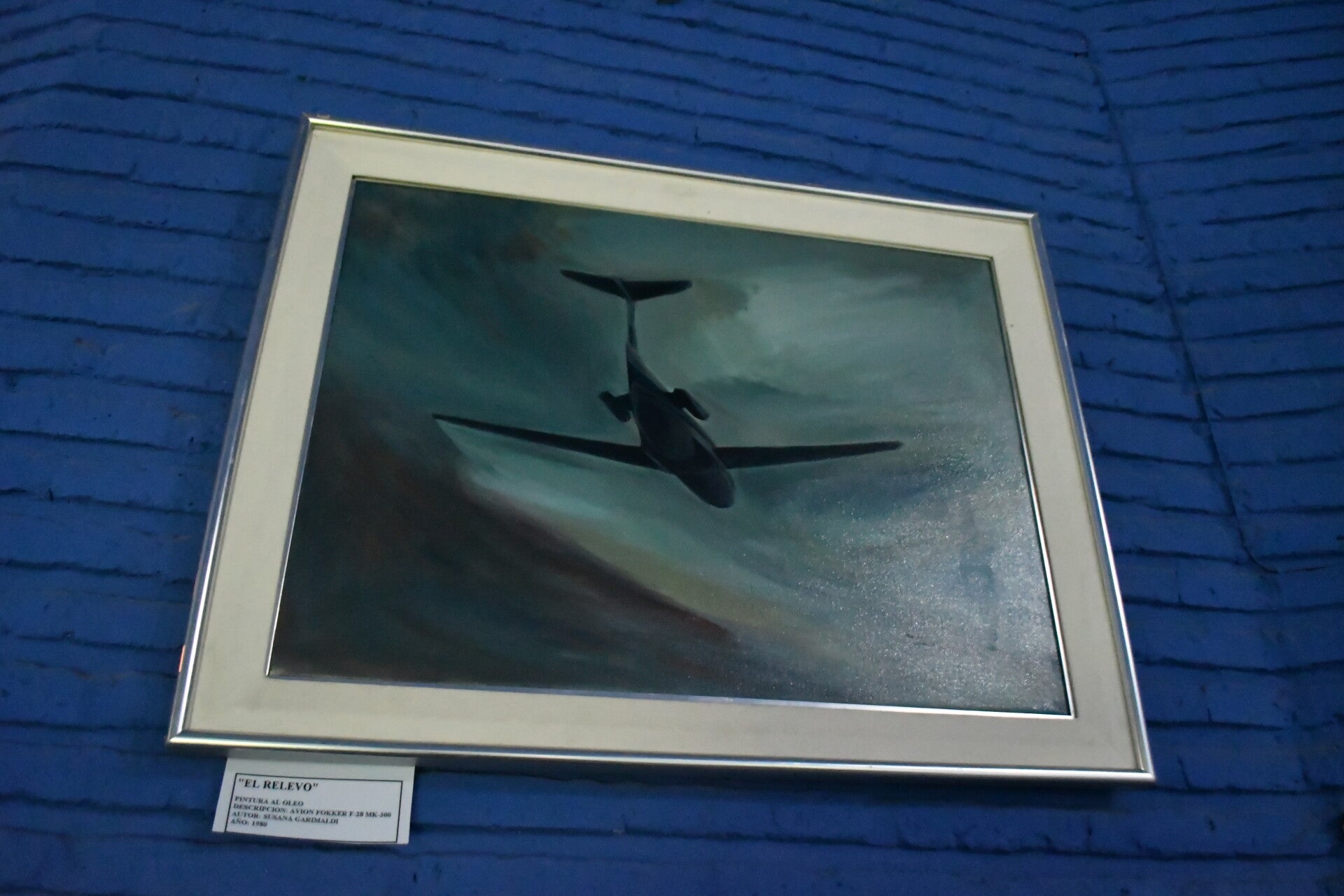
One of the most recognizable aircraft in the outdoor collection is the Fokker F28 Fellowship. At the museum, the aircraft on display is marked 0742/5-T-21. This is a Fokker F28-3000C Fellowship that served with the Argentine Navy (Armada Argentina). The aircraft, carrying serial number 11150, entered service on August 1, 1979, and belonged to the 2nd Escuadrilla Aeronaval de Sostén Logístico Móvil, a naval squadron responsible for mobile logistical support. During its operational career the aircraft carried the name “Canal Beagle,” a nod to the famous channel at the southern tip of South America.
Despite its modest size, this particular aircraft had a surprisingly international career. It first flew as a test aircraft on June 18, 1979, and later played a notable logistical role during the Gulf War in March 1991. During that conflict, the jet flew a long-distance mission to the Middle East, routing via France to transport Argentine logistical materials and personnel supporting coalition operations during the war with Iraq.
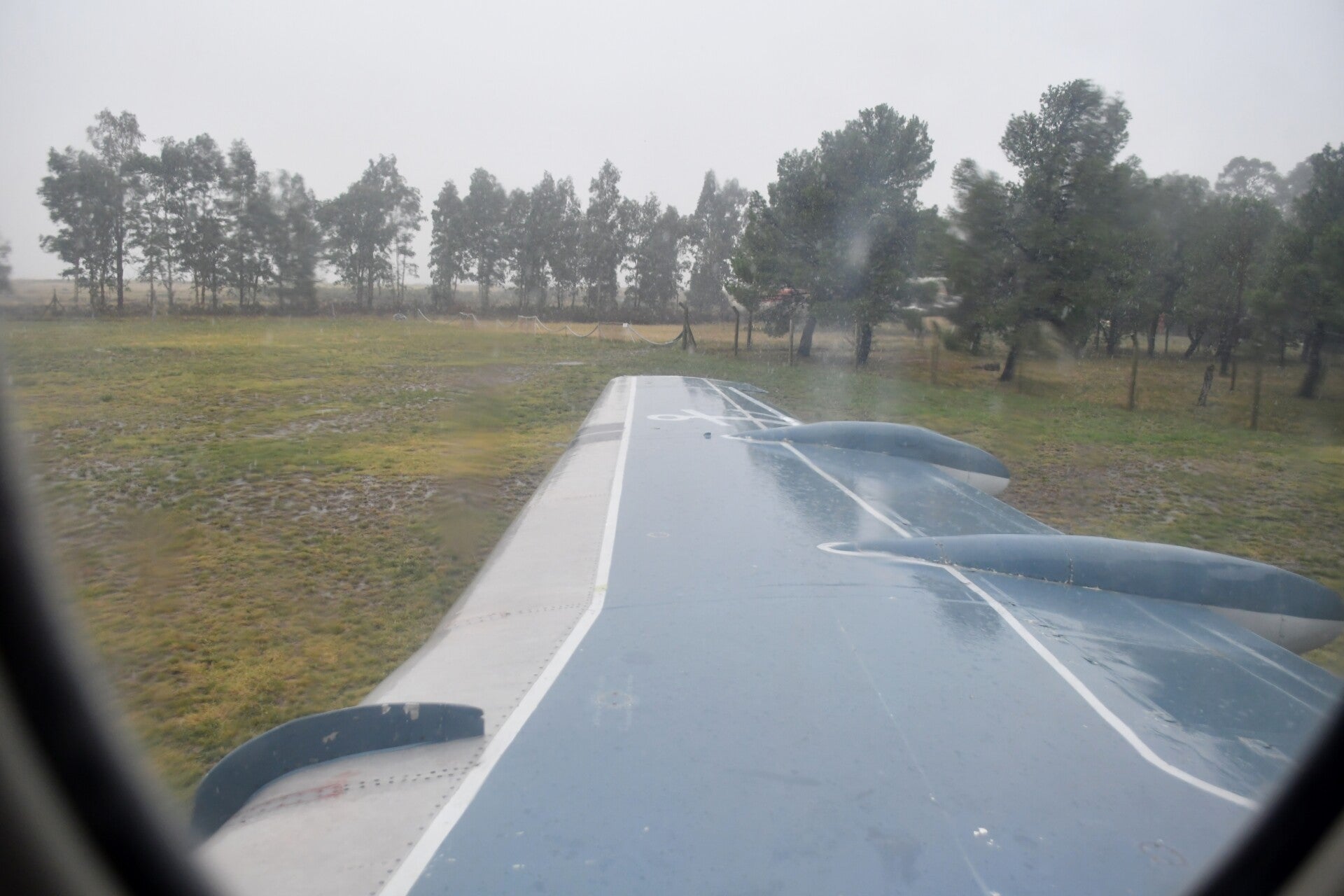
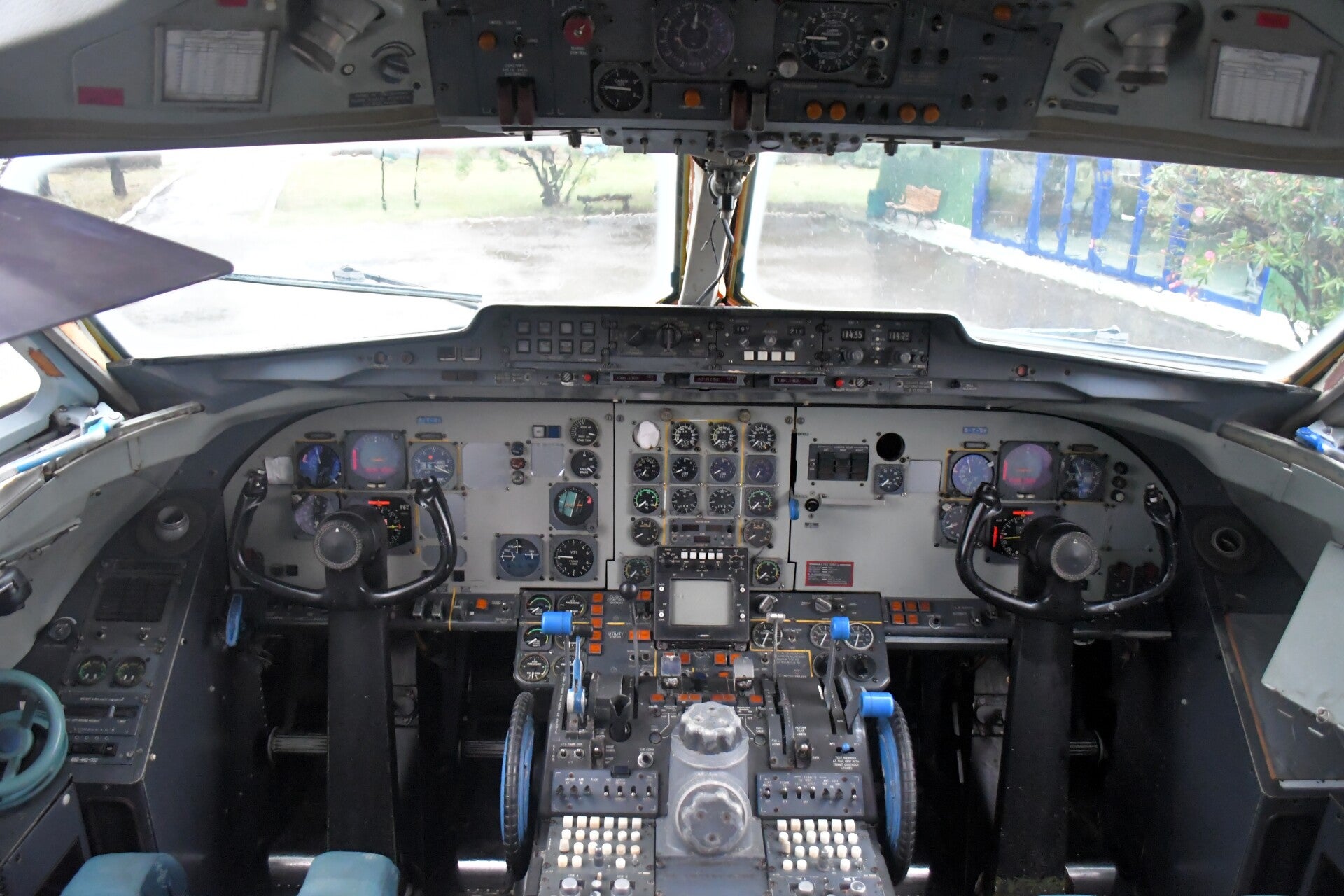
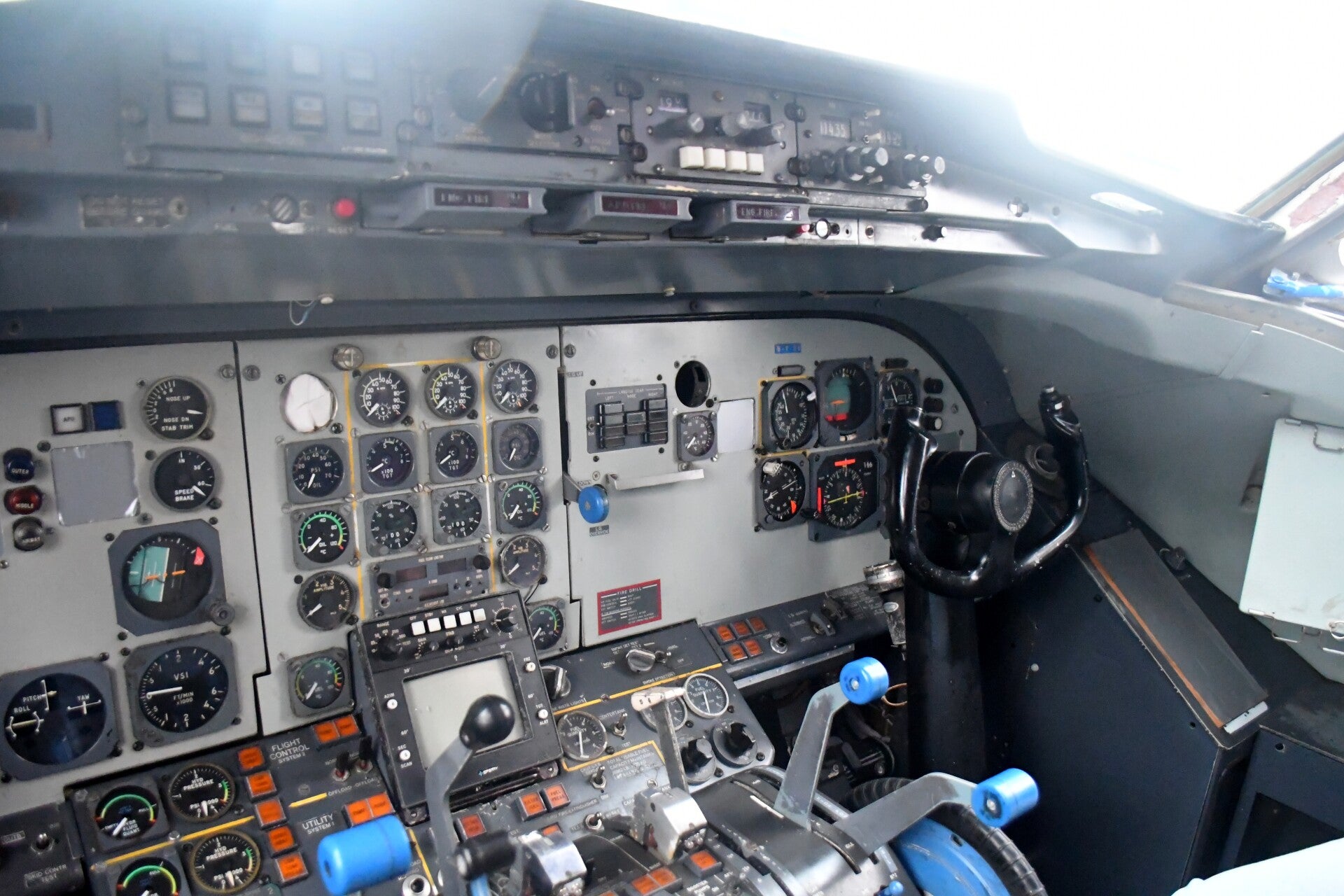
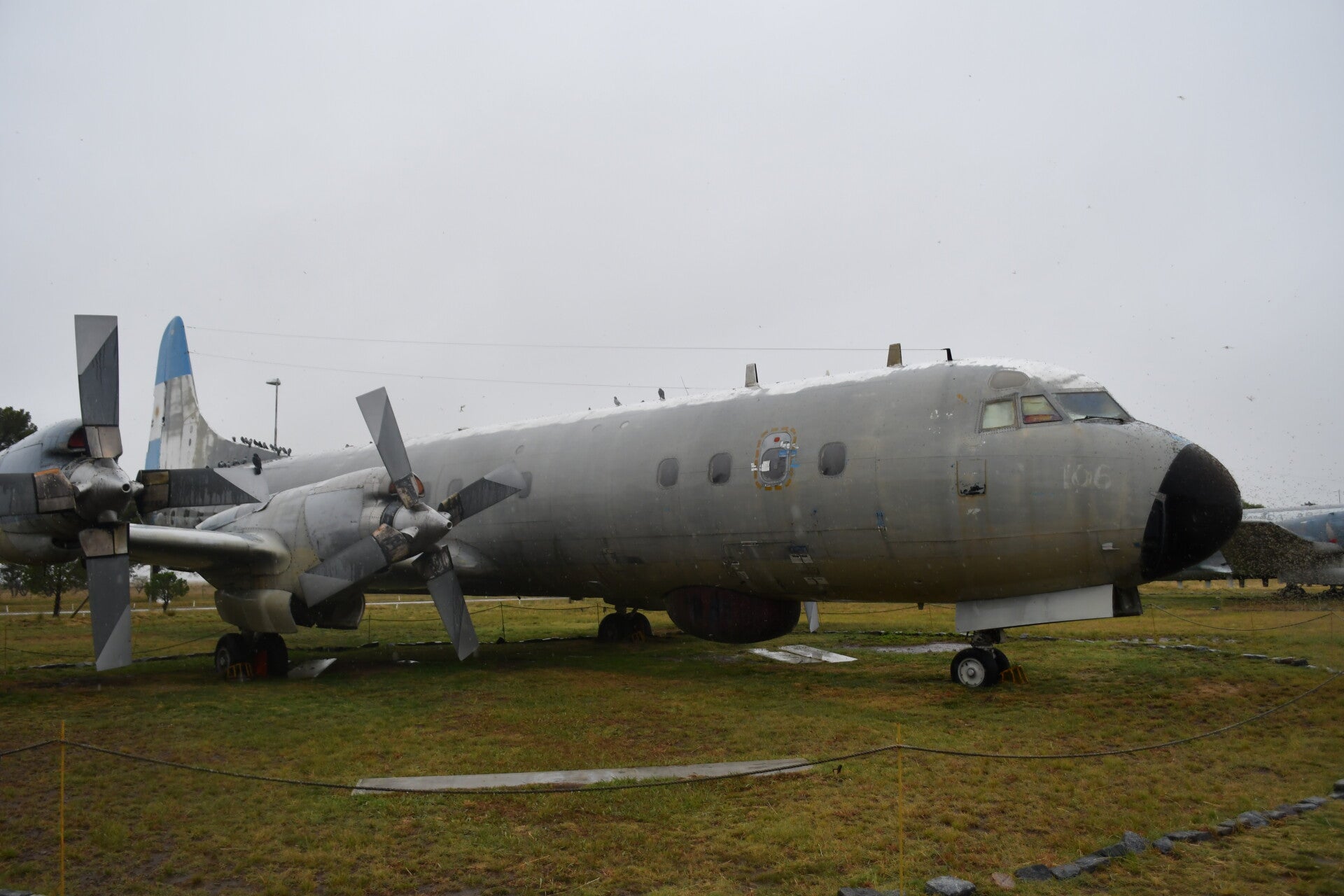
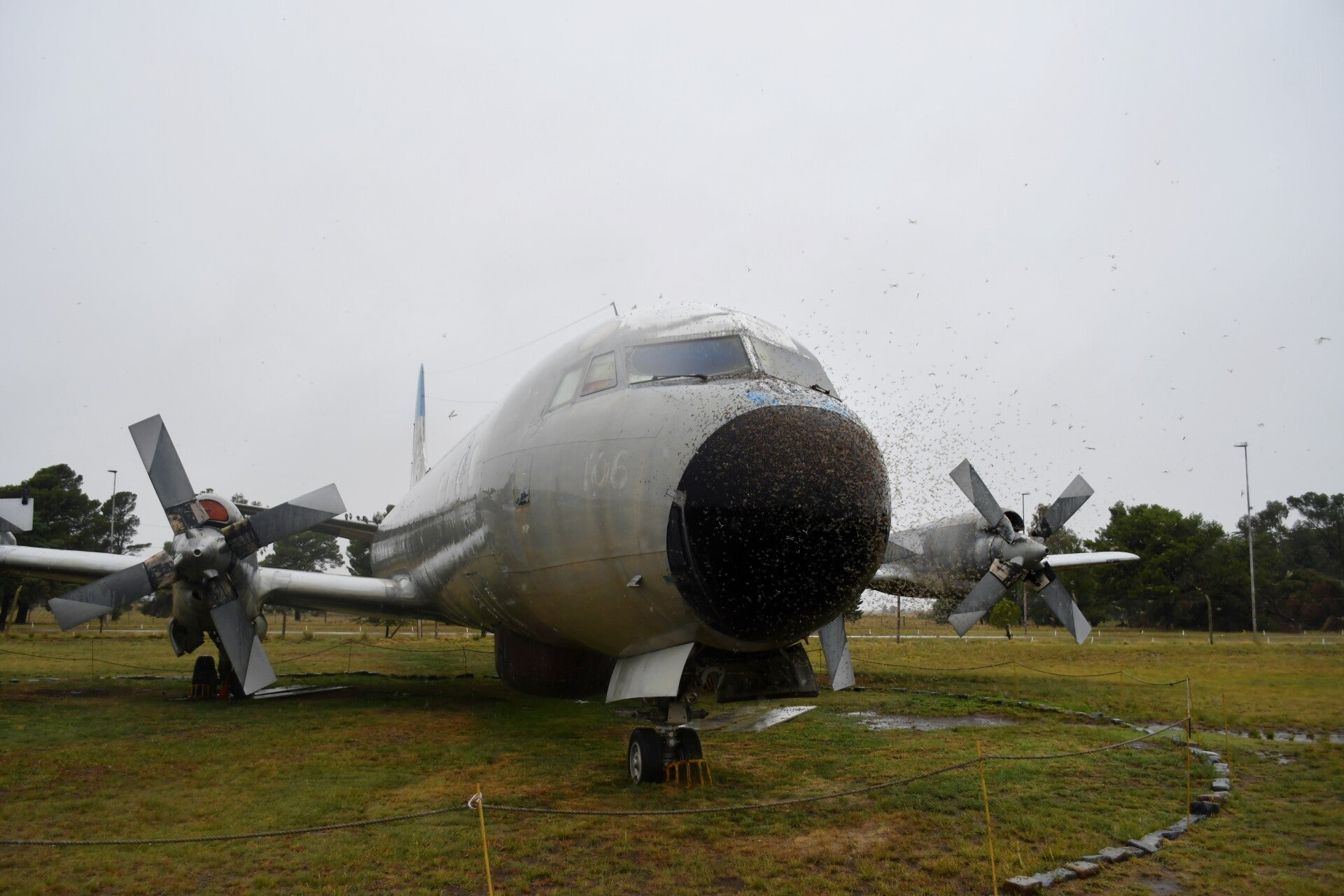
Another major attraction is the pair of Lockheed L-188 Electra aircraft displayed outdoors. Argentina’s naval aviation adapted the type for maritime patrol and surveillance duties, converting it into a capable ocean-watching aircraft. At the museum you can see two different versions, including aircraft that served in maritime reconnaissance and electronic warfare roles. These aircraft patrolled Argentina’s vast coastline and the South Atlantic, searching for ships, submarines, and suspicious activity. Seeing two Electras together is impressive: their long wings, four turboprop engines, and distinctive tall tail make them look powerful even when parked.









Inside the museum’s historical hall, you’ll find uniforms, photos, models, documents, and personal items belonging to Argentine naval aviators. These displays help tell the human side of naval aviation: the pilots who operated from ships, flew missions over the South Atlantic, and helped shape Argentina’s maritime air power. Combined with the outdoor aircraft park and the replica flight deck of the former carrier ARA 25 de Mayo, the museum provides a surprisingly immersive experience for anyone interested in naval aviation history.
For aviation enthusiasts planning a visit, the museum is a hidden gem. It is relatively unknown internationally, which means you can often explore the aircraft quietly and take plenty of photos. If you enjoy Cold War aircraft, unusual naval variants, or simply wandering among large outdoor displays, this museum easily deserves a spot on any aviation travel itinerary in Argentina.