Morón - Museo Nacional de Aeronáutica
Located on the grounds of the Morón Air Base, the Museo Nacional de Aeronáutica Brigadier Edmundo Civati Bernasconi preserves Argentina’s aviation heritage and tells the story of how the country joined humanity’s long quest to conquer the skies. Founded in 1960 and moved to its current site in 2001, the museum spans a large area with restored hangars, outdoor displays, and dozens of aircraft that chart the evolution of flight. We visited the NMA in 2024.
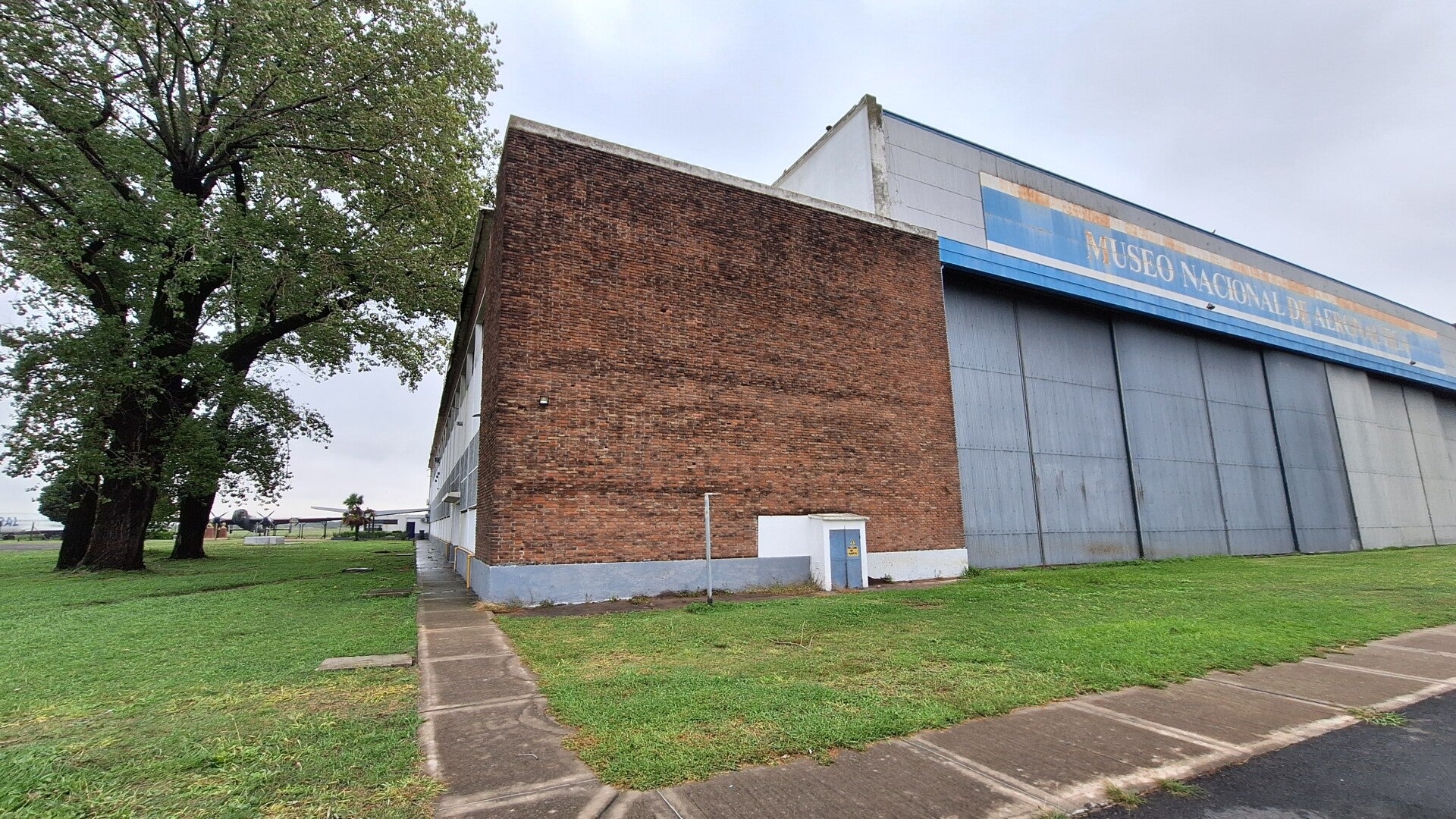
When entering the base, you have to report at the guard and tell them you are heading to the NMA. The guard then will tell you how to reach the museum. From then on, you are on an active military base and you are being watched. You drive towards the main building before turning left towards some old large hangars. This is the museum. Entrance to the museum is semi-free. It is more or less expected to pay a voluntary fee in cash upon entrance.
The first hall is dedicated to the early aviation years as well as Argentina’s own aviation industry. Highlights of the Argentine-built collection are the I.Ae. 22DL (Which looks like a T-6 Texan), the FMA I.Ae. 27 Pulqui I jet prototype, FMA I.Ae. 33 Pulqui II jet prototype, DINFIA IA 35, FMA IA 50 Guaraní II and FMA IA 58 Pucará. Other highlights include the Boeing Vertol CH-47 Chinook, a beautifully painted Mirage III and even a British BAC Canberra.


Then, you walk though the cafe and past the gift shop towards the second hangar. This hangar houses some other great highlights such as two DC-3s, a Sikorsky S-61R Pélican, a Fokker F.27 Friendship and the Fokker F.28-4000 Fellowship.
The museum’s Fokker F28 Fellowship is an especially interesting aircraft because it once served in Argentina’s presidential transport fleet. This particular F28 (registered T-03) flew VIP missions for the government and carried the name of Juan Domingo Perón. Argentina’s Air Force began operating the type in the mid-1970s, and the museum aircraft represents the long service these jets had in both military and government roles.
Nearby you’ll find the Fokker F27 Friendship. The Argentine Air Force used the F27 for everything from troop transport and cargo hauling to medical evacuation and paratrooper operations. During the 1982 Falklands/Malvinas War, aircraft of this type flew hundreds of transport missions supporting operations between mainland Argentina and southern bases. The example preserved at the museum, serial T-42, continued flying even after its military service and was later restored for display.
The museum also preserves two legendary Douglas DC‑3 aircraft. One of them, nicknamed “El Montañés” (TA-05), has a particularly adventurous history: it was among the early aircraft used in Argentina’s Antarctic operations and helped pioneer flights to the frozen continent. Another DC-3 in the collection, often referred to as “Independencia,” represents the type’s long service in transport and utility roles. The DC-3 is famous worldwide for its durability, and seeing two of them in Morón offers visitors a glimpse into the golden age of piston-engine transport aviation.


Outside there are some larger aircraft parked such as a C-130 Hercules, a Avro Lincoln bomber, Bristol Type 170 Freighter and even a former Austral McDonnell Douglas MD-80. Although the outside area is only opened at special occasions (so closed during our visit), the aircraft can all be decently photographed.
All in all, this museum is great for exploring the rare and special Argentinan aviation culture and the special products that it had delivered. Also, for us Dutchies, seeing two Fokkers so well preserved is always nice.